

Word Mark, Logo or Combined Mark: Which Should You Register in Vietnam?
A business may use a brand name, a logo and a combined version of both. The filing question is whether to prioritize the word element, the figurative element, the combined mark, or more than one of them. That choice affects search strategy, practical scope and how resilient the portfolio is when the visual identity changes.
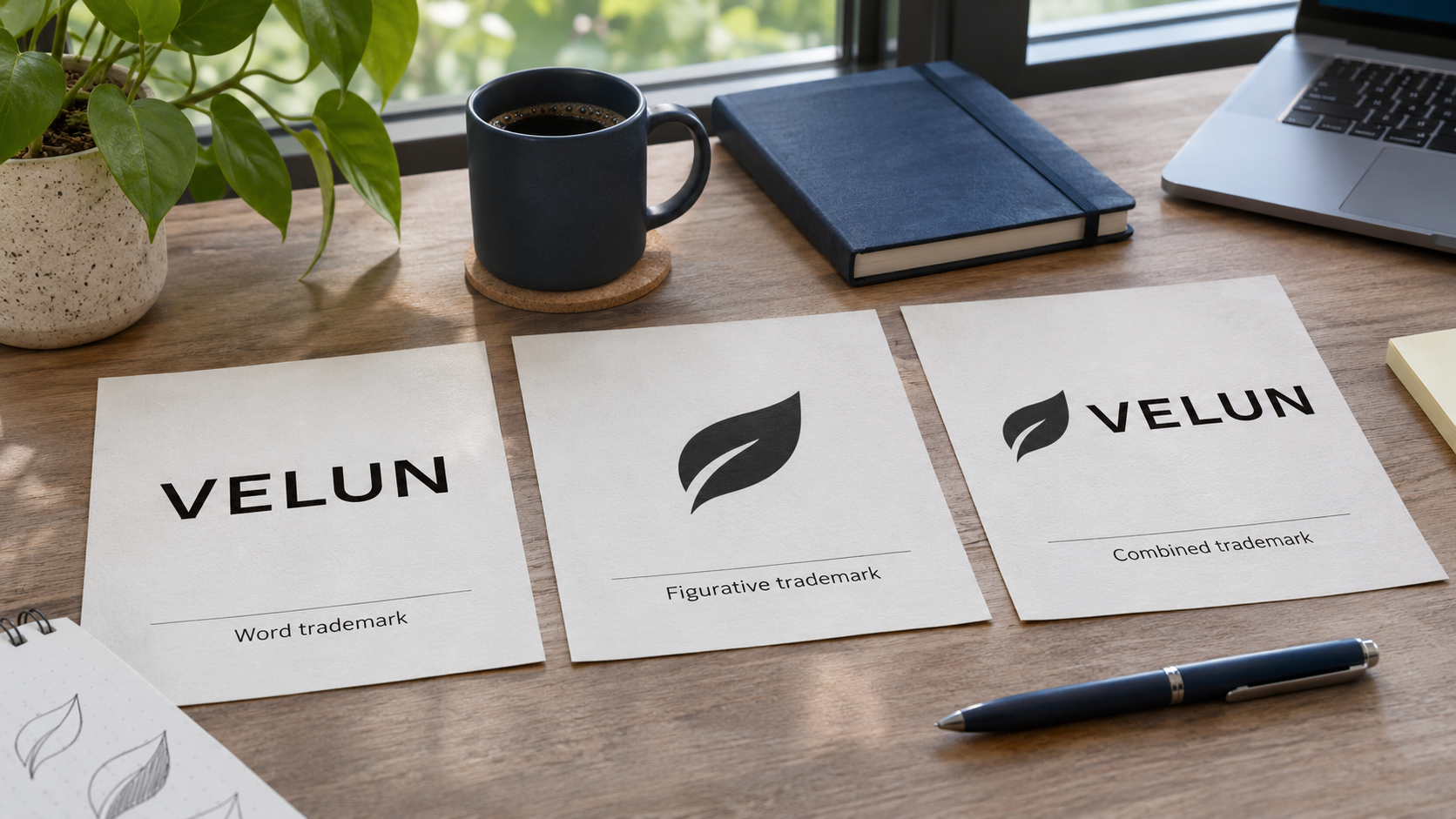
There is no single answer for every brand. The decision should reflect which element customers remember, whether the wording is distinctive, how stable the logo is, the budget, and the importance of long-term or multi-market protection.land
Do not treat word, logo and combined marks as mutually exclusive. Each protects a different expression of the brand and may require a separate search.
1. When a word mark should be a priority
A word mark focuses on the verbal element of the brand. It is often strategically important when customers pronounce, search for or remember the name independently of a particular font or graphic treatment.
The advantage is flexibility in presentation, but the word itself must still be distinctive and must not conflict with earlier rights.
2. When a figurative or logo mark matters
A figurative mark protects the visual element. It can be important where an icon, symbol or device is recognized independently from the name, such as an app icon, packaging symbol or product badge.
Logo clearance cannot rely on text keywords alone. Shape, composition, orientation, imagery and overall visual impression may need to be compared. AI image search can broaden the set of candidate references.
3. Benefits and limits of a combined mark
A mark combined presents words and graphics as one composition. It may reflect the form most frequently used in commerce and can be useful when the total presentation is stronger than either element alone.
The practical limitation is change. If the logo, typography or layout evolves, a registration tied to a specific composition may not provide the same strategic flexibility as separate protection for stable core elements.
4. Should you file both the name and the logo?
For an important brand, evaluate each asset independently before assuming one filing is enough. Multiple filings are not automatically required, but separate word and logo applications can be sensible when both elements carry independent commercial value.
Budget, expected rebranding, the number of classes and international plans should be considered together.
5. How Lawdoc can support the comparison
Lawdoc advanced search can be used with word, image and combined marks. For word elements, similarity can be screened across spelling, pronunciation, structure and meaning; for devices, image similarity can help surface visual candidates. Goods/services and Nice classes provide the commercial context.
6. A filing-choice checklist
Ask which element customers recognize first, whether the logo is likely to change within the next few years, whether the name is inherently distinctive, whether the icon is used alone, and whether the budget supports layered protection. If both name and logo have independent value, search both before deciding the filing structure.
Frequently Asked Questions
Does registering a logo automatically protect the brand name?
Not automatically. Protection depends on the sign as filed and how the relevant elements are assessed.
What if the logo changes frequently?
Consider protecting the stable word element separately and filing important versions logo when commercially justified.
Can Lawdoc search figurative marks?
Yes. The AI workflow is intended to support word, image and combined mark screening.
Conclusion
The best filing strategy starts by identifying which brand assets have independent value. Search each relevant layer, then choose a filing structure that matches budget, use and long-term brand plans.
Share:


