

Can Identical Names Be Registered in Different Nice Classes in Vietnam?
A common misconception is that an identical name is automatically safe if the earlier mark sits in a different Nice class. Nice Classification is essential for organizing goods and services, but class numbers are not absolute legal walls between trademark rights.
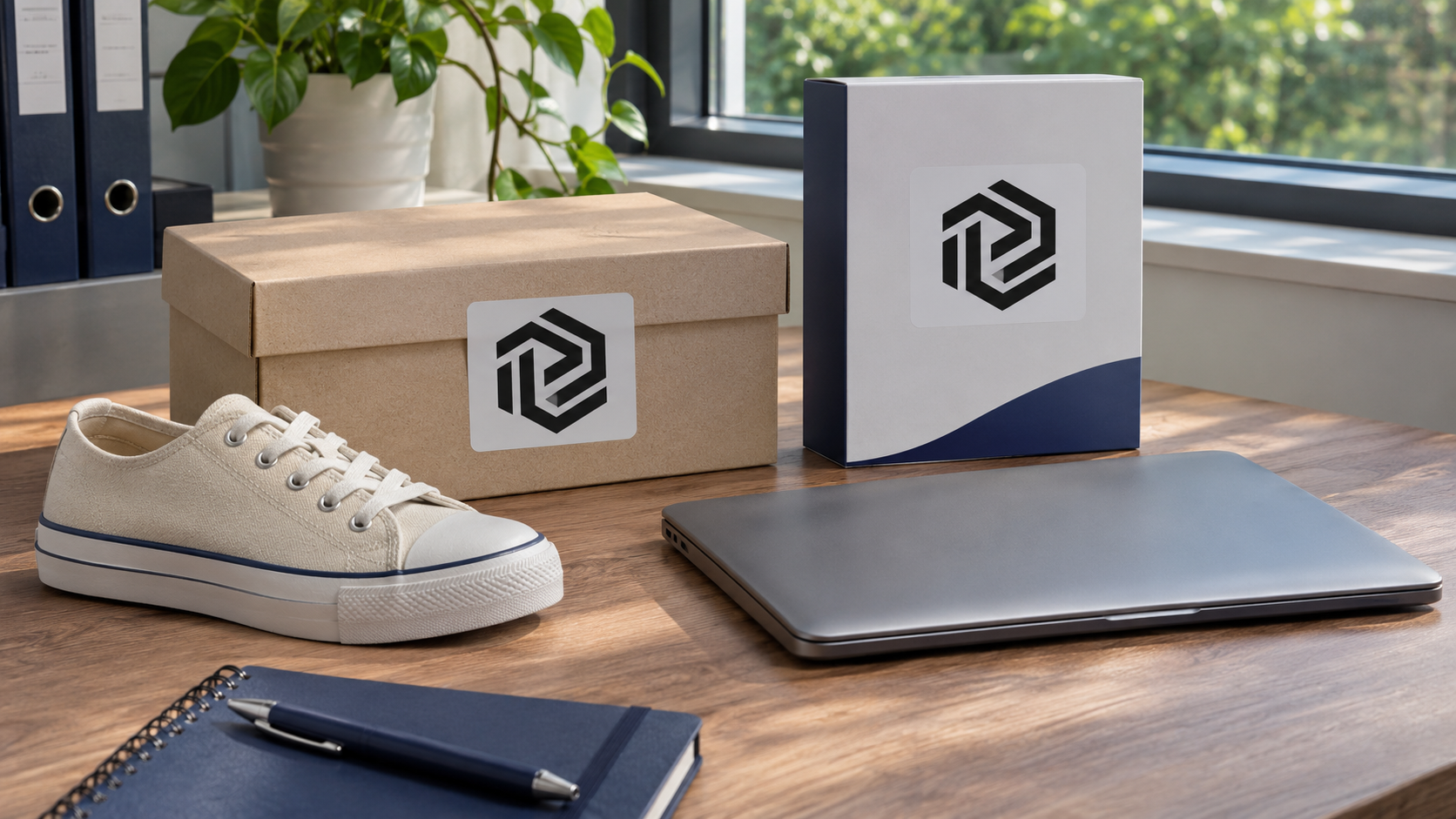
Conflict analysis looks at two dimensions together: similarity of the signs and the relationship between the actual goods or services. Different classes may reduce risk in some cases, but they do not automatically make a mark available.
Different Nice class does not equal no conflict, and the same Nice class does not equal automatic conflict. Read the actual goods/services and commercial context.
1. What Nice Classification is for
The Nice system groups goods and services into 45 classes to support filing, searching and administration. It is an important organizing tool, but it does not replace the legal analysis of whether goods or services are identical, similar or commercially related.
2. Why different classes can still conflict
Goods or services in different classes may have related functions, customers, distribution channels, expected commercial origin or complementary use. If the signs are very close, that relationship can still support a risk of confusion.
Downloadable software and SaaS services are a practical example: they can fall in different classes while still being closely connected under one technology brand.
3. Why the same class does not always mean a strong conflict
A single Nice class can contain a wide range of goods or services. Two items in the same class may be commercially distant. A class filter is therefore a starting point, not the final legal conclusion.
4. Well-known marks can widen the analysis
Where a well-known mark is involved, risk can extend beyond ordinary similarity between goods or services in circumstances recognized by law. A strategy based only on “we are in another class” is particularly unsafe when the proposed sign evokes a famous brand.
5. How to search cross-class risk on Lawdoc
Start with the expected Nice class to reduce noise, then broaden the search to related goods or services when the commercial relationship justifies it. Provide a real description of the business rather than only a class number.
Review three things together: how close the signs are, how related the goods/services are, and the status of the earlier right.
6. When legal review is especially useful
Escalate where the sign is nearly identical, the goods/services are in different classes but clearly related, a well-known mark is present, the business plans expansion into multiple classes, or AI results identify close references that cannot be resolved by class number alone.
Frequently Asked Questions
Can two businesses use the same name in different Nice classes?
Sometimes, but there is no automatic rule. The relationship between the goods/services and earlier rights must be assessed.
Does being in the same Nice class mean refusal is certain?
No. The actual goods/services and the overall similarity of the marks matter.
Should a Lawdoc search look outside the selected class?
Where related goods/services are relevant, the search should be broadened beyond a rigid same-class filter.
Conclusion
Nice classes organize the search; they do not decide the conflict. A reliable pre-filing review compares the signs and the real goods/services together, including relevant cross-class relationships.
Share:


