

Can Phonetically Similar Trademarks Be Refused in Vietnam?
Two brand names can look different on a screen yet sound almost the same when spoken. In markets where consumers hear brands in advertising, video, telephone calls or word-of-mouth, phonetic similarity can matter even when spelling differs.
Vietnamese trademark law does not use a fixed “X% similar in sound” threshold. The practical question is whether the overall signs may be confusing in the context of the relevant goods or services. Pronunciation is one important layer of that analysis.
Do not compare letters only. A small spelling change may leave the core pronunciation intact, while a shared weak or descriptive sound may carry less weight.
1. What is phonetic similarity?
Phonetic similarity concerns pronunciation, rhythm, syllable pattern, initial and final sounds, and the overall auditory impression. The analysis should consider which elements are dominant and memorable rather than simply counting matching syllables.
2. Different spelling may still sound too close
Changing one letter, using a different transliteration, adding a hyphen, or separating words may change the visual appearance without materially changing how the mark sounds. If the distinctive core is still pronounced almost the same, risk may remain.
3. Goods and services still matter
Phonetic similarity should be assessed together with the relationship between the goods/services. Closely sounding names in the same market can raise more concern than the same degree of sound similarity in remote fields.
4. Transliteration and foreign-language names
International brands may use Latin, English, Chinese, Korean or Japanese names in Vietnam. Search reasonable transliterations and likely Vietnamese pronunciations, particularly for short names or familiar sound patterns. Looking only at the original script can miss relevant earlier marks.
5. How Lawdoc AI can help surface phonetic candidates
Lawdoc describes its AI workflow as considering multiple dimensions, including pronunciation, structure, meaning and images. The phonetic layer can bring non-exact spellings into the candidate set for review.
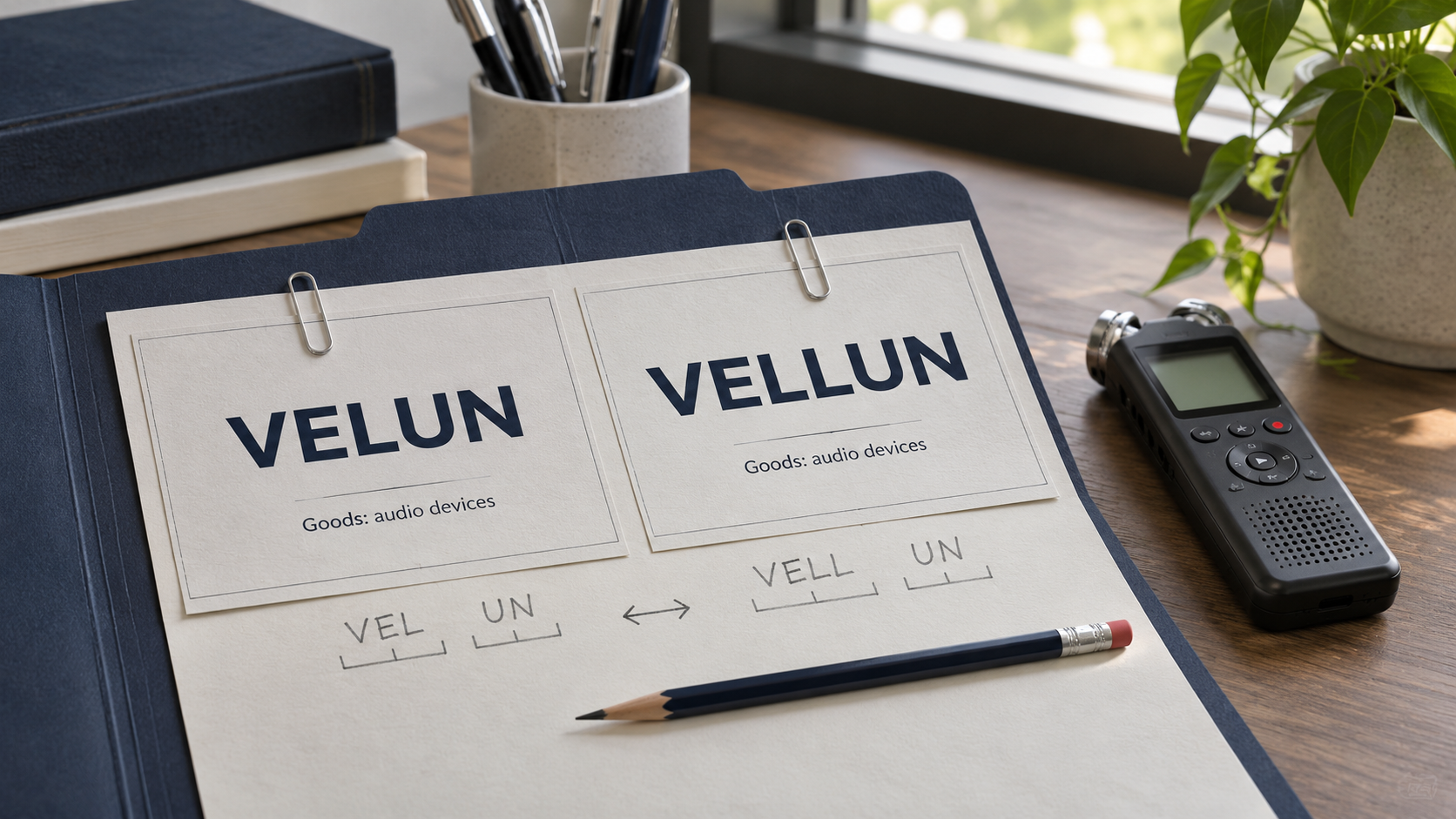
A high phonetic similarity signal is still a screening result, not a legal verdict. Review the strength of the common element and the goods/services context.
6. What to do when a candidate sounds too close
Consider changing the dominant sound rather than making a cosmetic spelling tweak. Recheck the goods/services scope, test alternative names, and obtain professional review before filing where the brand is commercially important.
Frequently Asked Questions
Is one different letter enough for registration?
Not necessarily. Pronunciation, overall impression and goods/services must still be considered.
Is there a legal percentage threshold for sound similarity?
No fixed percentage threshold should be treated as a legal rule. Any AI score is a screening indicator.
Can an English name conflict with a Vietnamese mark that sounds similar?
Potentially. The real pronunciation and consumer perception in Vietnam can be relevant.
Conclusion
Phonetic similarity is a key reason exact-text searching is not enough. AI can help surface sound-alike candidates, but the final risk assessment must consider the whole sign and the commercial context.
Share:


